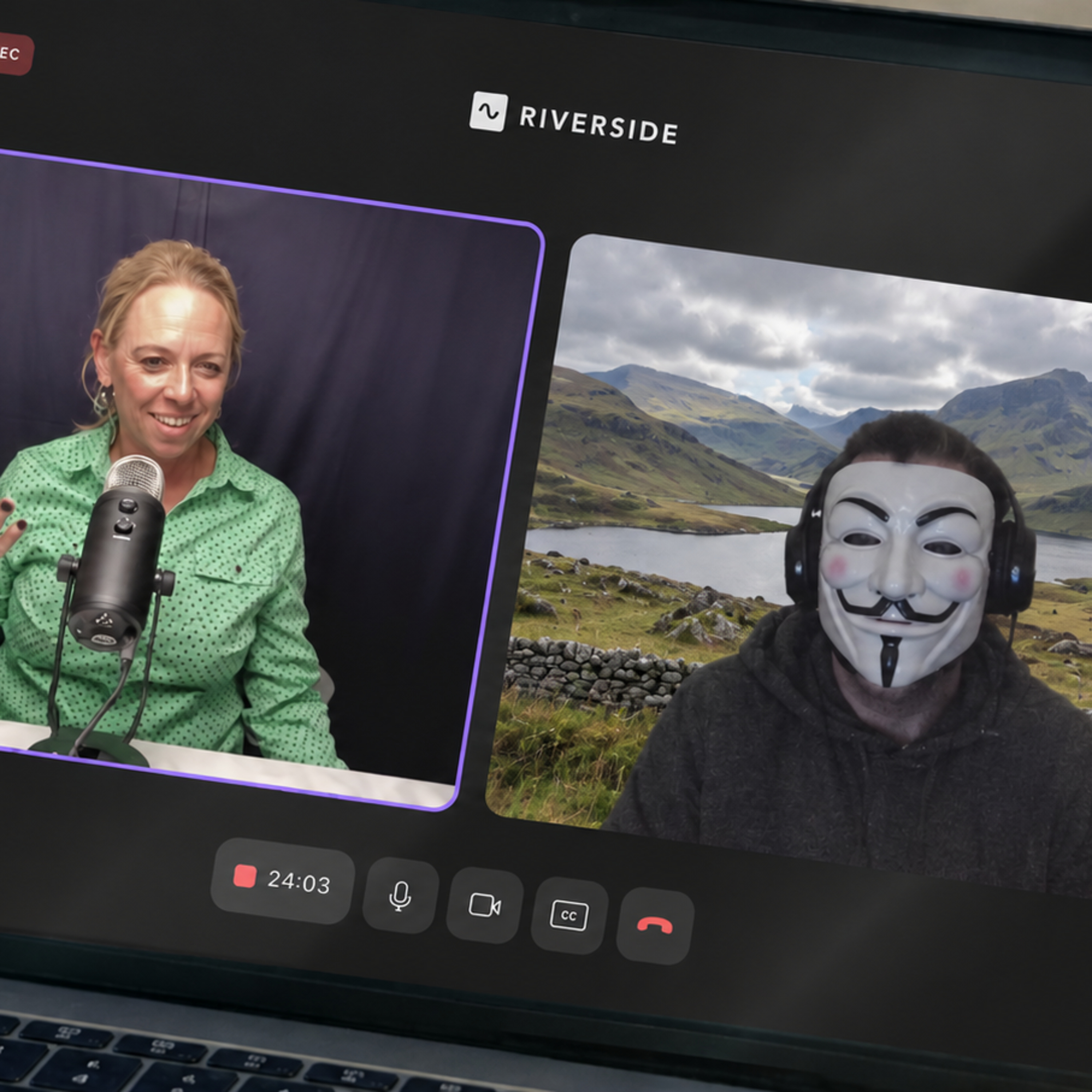
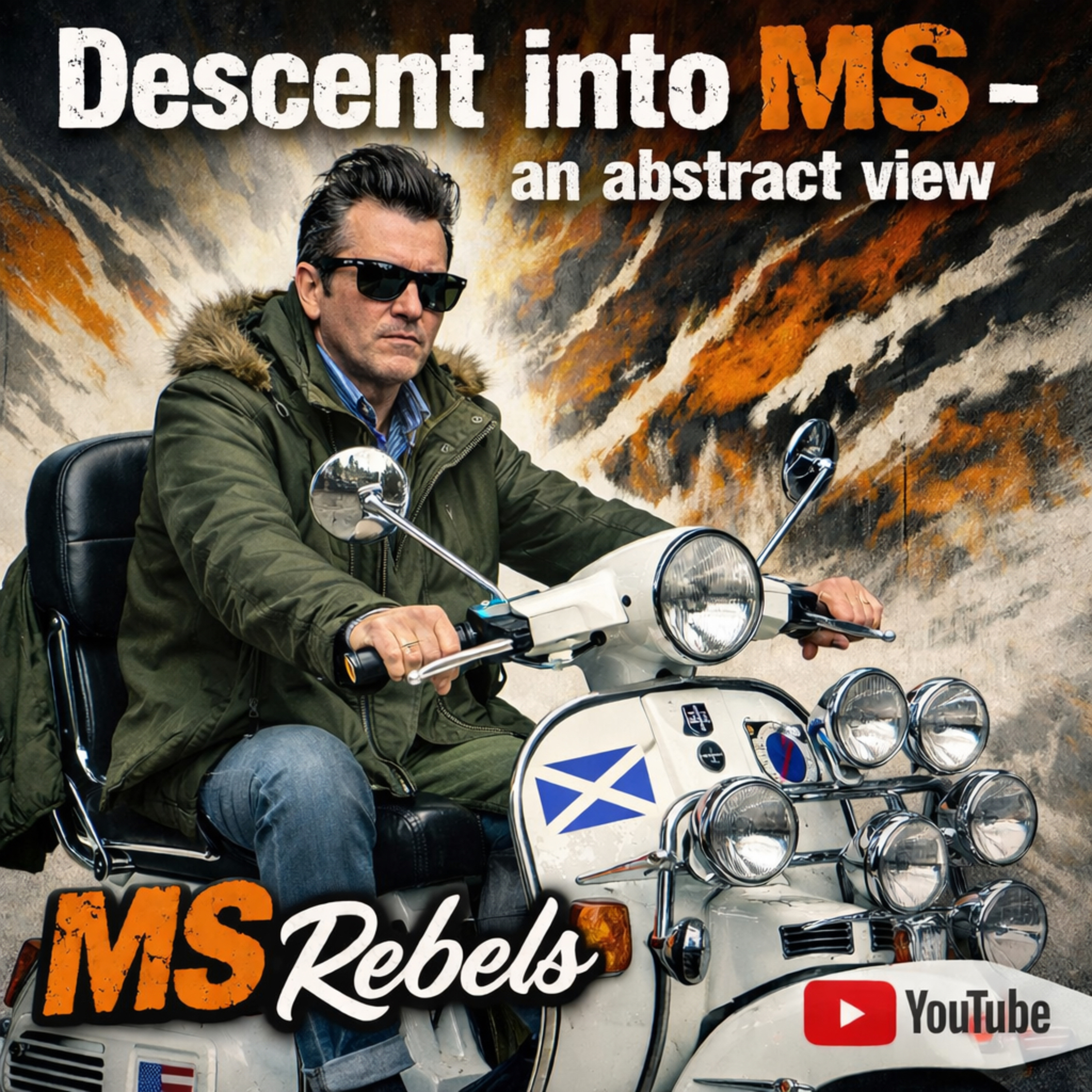
MS Rebels meets Scoliosis Strong Podcast host Ruth Edwards.
To follow.
Transcribed automatically by PodView
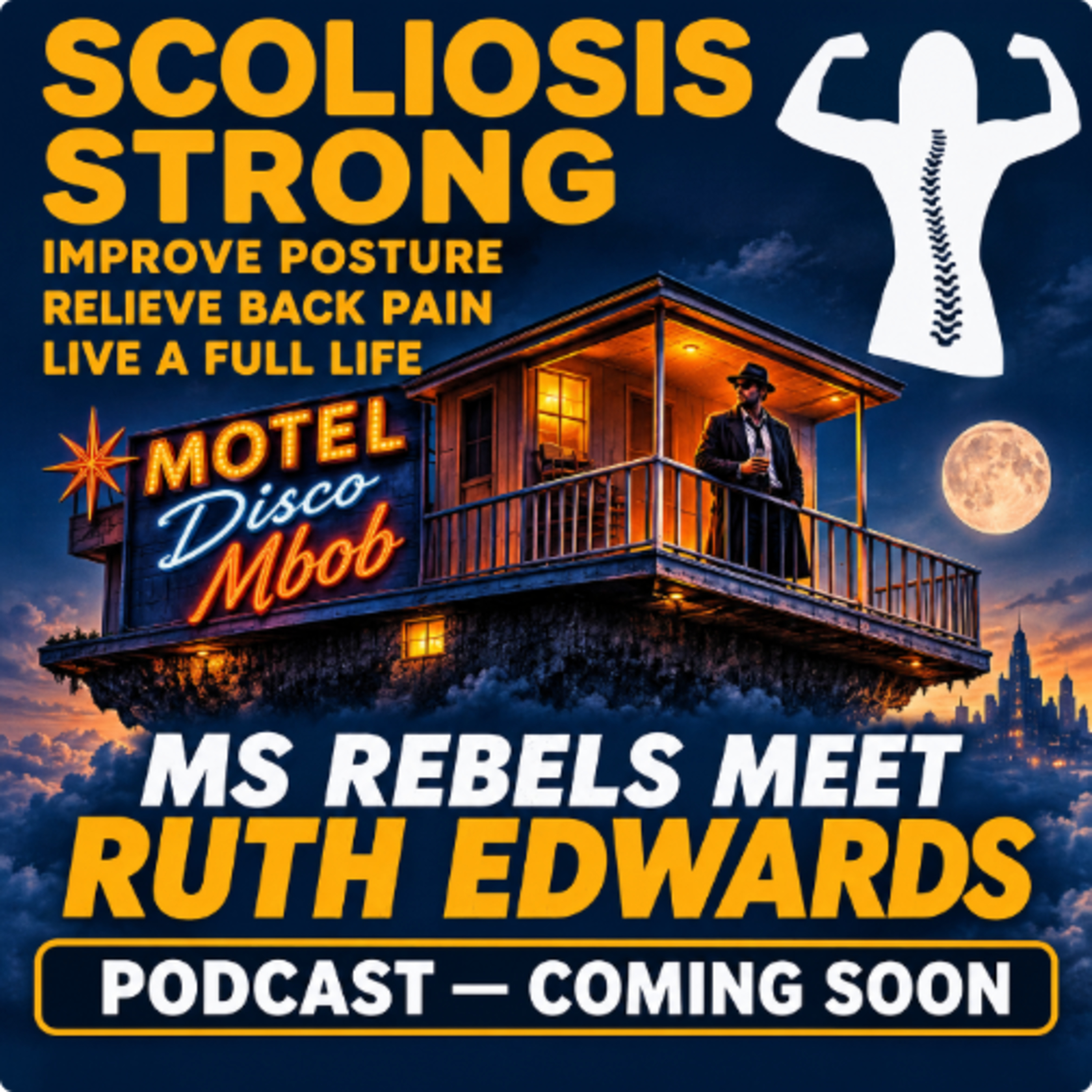
0:00 so this is ms rebels podcast today we're interviewing ruth edwards and today's topic scotillosis ruth has founded scotillosis strong where she helps people improve posture relieve back pain and live a full life now normally he and sandy would join me in the podcast Unfortunately it's over Zoom Ruth's in Carolina And she would only pay economy class For the flight's over So Sandy and he both refused So thanks for that Ruth Right Ruth here we go Yes Ruth I was just asking you about Medical treatments that are available For this condition So for depending on Again when it's When it's developing Typically the the first thing they want to do is they want to try to stop it from progressing or getting worse.
1:02 So they want to arrest the development. And oftentimes that includes some type of bracing. Okay. And then exercise, some type of exercise treatment program should be. So, sorry, we're talking about bracing. Are you talking about an actual physical brace on your back? Yes. and the most common is actually what they call a hard shell brace yes and there are some different kinds but um it's it's very uncomfortable it's hard it comes right from here usually all the way down to the just past the hip so from your armpits to just above your waist so then it can be difficult to sit because it digs into your hip sounds a bit uncomfortable yeah um there are some softer ones but they tend to be not as effective for stopping it um and then okay exercise silly silly question is did it work did the bracings actually work it's mixed reviews it's like just bracing or just exercise have not great results but if you put the two together they have decent results so mostly it's up to the individual then to help themselves yeah yeah and also who you know what what the medical practitioner recommends when i was 14 back in the 80s they gave me a brace a couple of exercises and sent me home.
2:38 So it was up to me to do the exercises. About people MS, it's really left to yourself to attend classes or to do exercises, but you do see those that attend the classes have a better outcome than those that just sit back and let things go naturally. Right. So I myself, I attend strength and balance classes to strengthen my ankles and my legs to improve my posture, although you wouldn't tell the way I'm sitting. So what kind of exercises would help this condition, Ruth? Yep. So there's really kind of two categories.
3:17 There's the exercises to help strengthen the areas in our backs that are weak because with the curve, there's going to be a weak side and sort of a strong side. Okay. But it has weaknesses too. So specific targeted exercises. Like for me, my weakness is here. So I need to be strengthening this side. A little bit over here, but definitely here. Then there's also the stretching exercises. This side is the side that caves in. So it needs both. It needs strengthening and stretching. So trying to open up the areas that get caved in.
3:58 and so trying to open that up your health professionals would they point you in the direction of where to get these exercises or did you did you have to track them down yourself i did it myself right yeah so now that's what that's what i'm putting together now so i've been teaching um group fitness for a long time and i've been teaching pilates for about almost 10 years and so the older I get and the more pain relief I need I'm like wait because I'm having to figure this out mostly on my own let me see if I can put together something that can help others with because I've helped a few people with scoliosis in my Pilates studio and yeah we can definitely get them some pain relief and that matters.
4:52 I know you're offering this to other people through your podcast. Trying to help people make sense of it. Like we're trying to create a place, one place they can go to get what they need for the strengthening and the stretching and the breath work. No, that sounds like a good thing that you're doing. Is there local help groups available for people? Local centres? Where I am in Glasgow, there's a MS place that offers a lot of services. Would you have something similar to that for your condition? No.
5:25 We don't have any scoliosis or spine centers. Well, they say they're a spine health center, but what they are is they're orthopedic doctors and surgeons. And so they're going to offer a brace or surgery. There's nowhere to go specifically for exercises for scoliosis. Right. I'm not well up in my American health professions, but from what I've seen it's mostly about making money. Would that be right? Yeah, that's right. Yeah. That is right. Here's your problem. Here's what you need to pay to fix it.
6:05 Yeah. I was watching a show with Lou Theroux and I was following some people in a hospice and he was talking about how it's all money. They were keeping them alive just so they could keep receiving the money. I'm sure it's not like that everywhere, but yeah. yeah it's frustrating so do you have health insurance yes we have health insurance through my husband's employer and does that cover most of your treatment um yes and no some i still pay out of pocket for like because i see a um physical therapist for medical massage to help keep my back Right.
6:52 From seizing up, you know, just to help me stay out of trouble is what I call it. So I pay out of pocket for that because that kind of treatment the insurance isn't going to pay for. And then I pay out of pocket for chiropractic adjustments. And again, insurance will pay some. It just depends on the provider. Right. to which providers will file insurance. So I take it there are occasions when people don have health insurance Yeah for sure There a lot of In this country now they can get away with not having the health insurance there was a period of time with one particular president where they made it a law that you had to have health insurance right so just then just out of curiosity when that president went out that law went out just out of curiosity what would there be a a safety net for these people?
7:55 Medicaid, if they're poor enough, and that's horrible to say, but that's what it is. If they are below poverty level, then they can qualify for Medicaid. And so then that's the American government's solution. And Medicaid will pay for just about everything, but they're more than like, well, I don't know. That's a good question. I don't know if Medicaid would cover chiropractics. I have no idea. I take it, I'm just thinking out loud, Ruthie. I take it that the service they would receive would be a sort of second-class service.
8:30 It wouldn't be the top surgeons and the top chiropractors. I'm just trying to get my head around the situation. Yeah, no, you're right. That's helpful for me to think about that there's definitely a segment of the population that wouldn't be able to, probably wouldn't be able to even access the services they need because they don't have the insurance or they don't have enough insurance. They call it being underinsured. So your online presence with sclerosis strong could be a lifeline for some of these people that can't access health providers as long as they've got a phone or a computer and internet they've got access to some of your exercises and advice yeah there's the more i've gotten into this the more of course um instagram and facebook are showing me there are some there's some other online programs there's some other podcasts um there's not many there's some there's not many there's a lot there's more for have you heard of hypermobility yes i have okay Ehlers-Danlos yeah but like there's more I would say there's more resources now for hypermobility than for scoliosis but still it's still on the new side has your condition limited what you can do and if so in what ways um not much until recently so most of my life I it didn't restrict me if it physically it didn't restrict me physically probably somewhat somewhat mentally and emotionally in those high school years because I was so self-conscious about it as a teenager it couldn't be easy wearing the brace trying to hide the brace how long generally would you would you wear it per day yeah 23 out of 24 hours a day the the the great thing was I was able to wear under my clothes so I was able to hide it from
10:47 most people um so those teenage years that was a little I mean you know thinking back yes it I'm sure it affected my self-confidence my self-image and like I just wanted to hide most of the time then but physically it didn't restrict me until about 10 years ago um so early 40s there might have been a trigger for this truth um probably as a woman some hormonal changes a lot of stress in my life just some different there was both some personal life stress and some work uh situational stress at work so and again probably being early 40s as a woman it was probably also some hormonal things um which they are there's some research identifying that that could be one of the underlying causes of scoliosis but back when we were adolescents some hormonal imbalances so So then, yeah, so then about 10 years ago, I started to have mild to moderate up and down chronic pain.
12:07 And I was trying to do a lot of physical things still, like obstacle course racing in the mud. You're a tough mother, Ruthie. And I was able to do it at first, but then my back started to hurt. and I was like there were just certain exercise or certain obstacles that I could not do without being in extreme pain either during the movement or afterwards and I was like okay this is because of the scoliosis so I had to stop. Due to my multiple sclerosis I had to give up my work, to give up teaching.
12:55 Has your condition affected your work-life balance, Ruth? At times, yes, because there's more that I, I mean, I teach group fitness. I teach Pilates. I would like to teach more classes per day, but I can't. I could, but I'd pay a price. yes it does it's like you have to remind yourself oh wait maybe I shouldn't do that so Ruth can you outline what happens when someone approaches you for help or if someone comes along to one of your fitness classes yeah sure so um when somebody comes to work with me the very first thing is some some assessment of how they can move and if they have scoliosis then we're definitely going to map it out.
13:52 So looking at their spine and seeing where the curves are, where there's rotation with a lot of scoliosis, there's rotation of the spine as well as the curve. And you can have anywhere from one to four curves. I would say the most common is two, maybe even three two to three but yes so when a person comes to me I'm gonna have them first you know tell me what they know maybe they might have x-rays they can probably describe where they feel tight or where they have pain and then if they turn around well looking at them front ways and then also looking them at them from the back so you can usually see something in the shoulders front or back or both and then in the hips from the front or the back or both like some unevenness in the pelvis or in the shoulders.
14:52 From the back side I can usually see where the curve is because we can just take your fingers and run down the spine and you can that your fingers will tell you oh it went that way and then it goes this way And then if there rotation in the spine it be thicker on that side Another silly question, Ruth, but is the curvature or the damage always in the same place? It can be anywhere. It can be in the neck. It can be in what they call the thoracic spine, so the upper part of the spine, your upper back, and it could even be lumbar.
15:36 Then the next step is now that we've mapped it out and we'll even make a diagram so that I have it and they have it too, is to coach them through padding. So take, it could be anything. It can be a washcloth. It can be a hand towel. It can be a pair of socks. I like to use that kind of sticky, rubbery shelf liner. And we fold it up and it becomes a pad. And then that pad is going to go where their curves are. And then the very first thing is you lay down on your back on those pads and then work through some deep breathing exercises and breathe into the sides.
16:28 They call it concave. So the side where the curve goes in like a cave, when they're laying flat on the back on the pads, that's going to help them unrotate their spine or untwist their spine and breathe into the concave side to help open it up. And that alone can do wonders. And then we would progress from there. And then using the breath to help push or fill up where those concave sides are. That sounds very comprehensive, Ruth, and very well thought out. And a little bit of mental, like, it is a mind-body connection, for sure too like kind of laying on the pads will help but now also use your mind to imagine your breath is going over here into this this side to help open it up and stretch it out yeah because we um yeah the way I see it we're made to be a whole person and it's all of it it's mental it's emotional, it's physical, it's social, and it's spiritual, and it all works together.
17:51 And we have a tendency to separate them out and treat one thing at a time, and it really is meant to all work together. That's very profound, Ruth. So the holistic approach seems to make sense. Yes. so I through the podcast they can find a free video that will just introduce them to me and a little bit of mobility work just to help open up the shoulders and the waist and then from there they can find me on Patreon are you familiar with Patreon? I've not heard of that Ruth it must be one of these newfangled American things so um i i heard about it through a videographer actually but it's a place for people to put their creative content so it's um like i mean there's everything from artists there's a lot of artists to singers to dancers to fitness there's a little bit a little bit like sub stack yes yes i have heard of self-stack so yes but patreon supports the videos the photos so it's a it's a place for me to get put those videos all in one place you use youtube ruth post a lot of my stuff there i was but i'm not anymore well no it was more of a But in trying to get the podcast to do what I need to do to get the podcast to be where I wanted it to be, we made an executive decision to take YouTube off the plate for the moment.
19:37 Yeah, I love this American business chat. So it's called Work-Life Balance. Soundbites, but that wasn't supposed to be cheeky. Yeah, it was stressing me out. so she was like yeah she was like well it's not something you have to do right now to get your podcast to grow so let's focus on this you can always add it back in later I use creator for Spotify it's quite handy because you can you can copy the RSS feed and paste it into YouTube so it automatically uploads whatever you put on your podcast up to YouTube I have learned so much it's definitely stretched my brain because you thought I you know you think oh I'm just gonna kind of jump in here and just record right and it can't be that hard but and it's not hard but it does help to have I think some foundational frameworks in place now that I know a little bit more and I've gone through some more training and some education it oh okay yes it helps to have yeah a niche audience like who I'm definitely targeting because when I first started it was definitely more general health and wellness and fitness.
21:05 It's always good to know your audience Ruth. Yeah it is and so niching down they call it And so really targeting who can I help the most with what I know the most about. And that's how we landed on scoliosis. I have it myself. I've been figuring it out myself for a long time. And so that's, I've learned. So what's changed in your podcast since you started, Ruth? What's in your podcast now that wasn't in it before? and what do you focus on more? The biggest difference? The content is more about what the audience wants versus what I want to share.
21:58 Yeah, because I have lots of great ideas. Good ideas like a chocolate frying pan or an emergency trapdoor in a canoe. I thought that was a great idea, but it's that that doesn't mean they wanted to hear about it yeah so I've so now I prepare more from yeah what's you know what do my scoliosis people need to hear what do they need to know what do they need to hear what do they want maybe not need what do they want what do they want to know what is your end goal with your podcast what is your mission statement I truly want to help people with busy people with scoliosis to better manage their back pain um so they they can do most anything and everything they want to do so that would mean that some of them would come into my scoliosis strong program and And yeah, like, and I don't want anybody to be dependent on me.
23:06 I want them to, I want to be able to coach them to the point where they can do it on their own. And yeah, maybe they come back every so often, or if they have a hangup or an obstacle about where to get certain information. Of course, I'm still a resource. but ultimately to empower that scoliosis person, the person who has scoliosis to fight for themselves and to have enough resources in their toolbox that they can pull out what they need from their toolbox to manage that pain, to stay out of what I call trouble, stay out of trouble with their pain or their tightness and to be able to get back to hopefully some you know some normalcy when it comes to I'm welling up a little bit here Ruth after that that speech you sound like a politician if you're running for the president of the scoliosis society you definitely get my vote I think you're more than a fitness person I think you're looking after the emotional side of your your clients as well well I I've always thought and I went to school to be a mental health counselor and that's really where they that's where I got that from they my training taught me as a counselor or a therapist the ultimate goal is to teach that person to be independent and not rely on you as a therapist or a counselor.
24:43 Well, you're a parent. I'm a parent, right? We're trying, it's similar with parenting. Ideally, the goal is to teach them and train them so that they look. No vote.
24:56 They can be independent, you know, and be productive, healthy citizens. And not need, so they need you less and less and less and less. And so I look at it as the same way, same way. They come to me and they need me at first, but then the more they work with me, the less they need me. You're describing Nanny McPhee, Ruth? Yes, yes, uh-huh. Is it only online classes you do, Ruth? Yeah, I teach some Pilates classes here in my studio, and then I do work at a local gym and teach group fitness and older adult fitness.
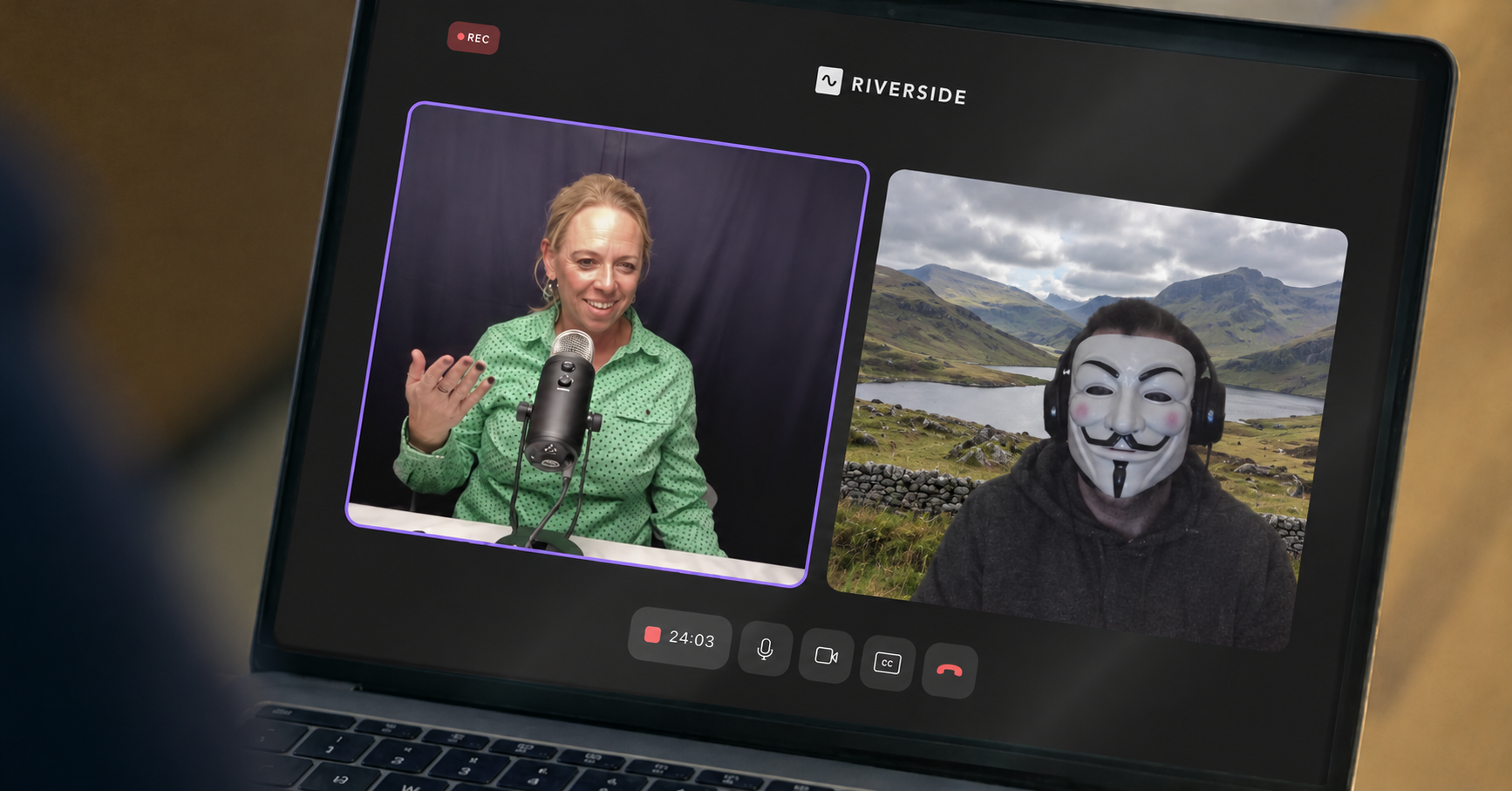
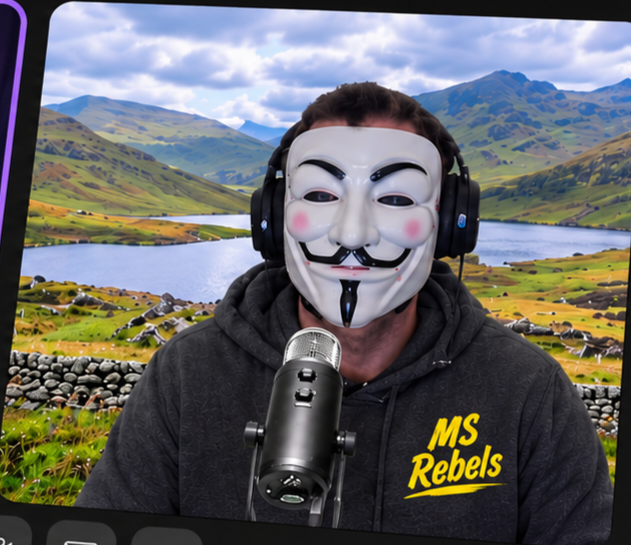
25:34 You can cross very well online, Ruth. Would it be an option to do online face-to-face sessions with clients? Yes, I could do that in person or virtually. Yeah, it's certainly, you know, because I guess one good thing that came out of 2020 was we can do a lot more virtually now, right? Yeah, try to find the positives. Podcasts are very professional, Ruth. Do you edit them yourself? I am yeah so I mean I've had a little bit of coaching and help like I had a I had a video sound guy that taught me how to set things up and he sent me the link to buy the mic and he told him you know coached me on the settings but then as far as the editing he was doing it at first, but then Riverside has really stepped it up.
26:29 And I've, it took me, like I had to get in a certain headspace, like, okay, now I've got these pieces down. Now I can learn to edit. And, but Riverside's made it really easy. And now the, my podcast coaches, they like Descript. that's their favorite is Descript it's uh it's something with podcasting with um I don't know if you record in it or not but um that's where they edit um so you might have to upload into Descript I'm not sure but that that's what they like is Descript and they just they just added a whole bunch more AI stuff I haven't tinkered with it yet well same um I've listened to some Of your episodes And trying to get a sense for So you've turned it into A story I've started a nine part Story it's called Motel Disco and Bob It's about living with a progressive disease Dark humour and confusion But on my site On the world wide web www.msrebelspodcast.com It's also group chats Monologue and Information for those with MS Or other progressive diseases Yes I think that's the podcast nearly over I've really enjoyed talking to you Ruth You've got a lovely musical voice It must be something to do with the country area that you're from Oh thanks Yeah well So interestingly enough A lot of our Appalachian roots are Scottish.
28:17 It's interesting to me to listen to the different accents and how the Appalachians, that Appalachian culture and the different accents that come out of Appalachia. And there's many. Anyway, how they intertwine and where the roots are, it's super interesting. I appreciate the time. Same. I appreciate the time. And take care of yourself. And best wishes. Thanks for your time, Ruth. You could always make it as a politician Or you could perhaps do some seminars on Facebook For promoting podcasts and the importance of podcast content It was all very interesting Because you were talking about clans I've got a final story for you I hope you enjoy it Before the podcast Ruth and myself were talking The Ruths of Scottish Heritage Telling her about one of the rare clans Based around the Kailavlokalsh It's famously a very, very foggy place strong mist comes down, it's hard to see so there they're living as haggis farmers so they were out in the fields quite a lot out in the hills and they're known as the Fukawi, that's a clan name the Fukawi, but as I say they famously got lost all the time out in the fog, wandering about and they'd be going past people and the people would say who are you?
29:32 and they always came back with the same reply where the Fukawi?
29:42 So on that bombshell, if you enjoyed the podcast, remember to like and subscribe and pass on to anyone that you think might be interested. Remember to give the Roof Scoliosis Strong podcast a listen. Help those with scoliosis, but the exercises will also help lots of people with stiffness or immobility. Thanks for listening. Bye.
30:12 you
 Apple Podcasts
 Castbox
 Castro
 Goodpods
 Moon FM
 Overcast
 Pocket Casts
 Podbean
 Podcast Addict
 Podcast Republic
 Spotify